
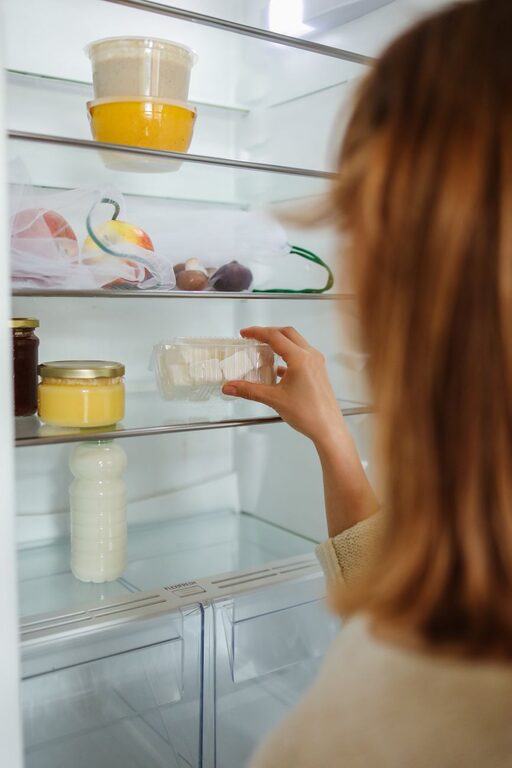
How to Keep a Tidy Fridge and Pantry for a Cleaner Kitchen
Keeping your fridge and pantry tidy can transform your kitchen into a more functional and pleasant space. A well-organized food storage area helps you find ingredients quickly, prevents food spoilage, and can even save money. Whether you have a small apartment fridge or a spacious pantry, these practical tips will guide you through maintaining a neat and efficient kitchen.
Why Tidiness Matters in Your Fridge and Pantry
Before diving into the how-to, it’s worth understanding why keeping your fridge and pantry organized is important:
– Reduces Food Waste: When you can easily see what you have, you’re less likely to forget or overlook items that expire.
– Saves Time: Finding ingredients quickly allows for faster meal preparation.
– Promotes Cleanliness: A tidy storage area minimizes spills, odors, and pests.
– Enhances Inventory Management: You can plan meals better when you know what’s available.
How to Organize Your Fridge Effectively
Step 1: Clear and Clean
Start by removing everything from your fridge. Check expiry dates and toss anything spoiled or no longer fresh. Use a mild cleaner or a mixture of water and vinegar to wipe down shelves, drawers, and door compartments.
Step 2: Categorize Your Items
Grouping similar items makes it easier to locate them and keep track of what you have. Common categories include:
– Dairy products (milk, cheese, yogurt)
– Meats and seafood (store separately in airtight containers)
– Fruits and vegetables (use crisper drawers)
– Condiments and sauces
– Ready-to-eat leftovers
Step 3: Use Containers and Bins
Clear storage bins or containers help contain spills and keep items together. Assign bins for cheese, snacks, or small condiment packets to avoid clutter.
Step 4: Follow Temperature Zones
Different parts of the fridge have different temperatures suited for certain foods:
– Top shelves: Ready-to-eat foods like leftovers, drinks, and dairy.
– Middle shelves: Eggs and dairy products.
– Bottom shelves: Raw meats and seafood (always on the lowest shelf to prevent dripping).
– Drawers: Use the vegetable drawer for fresh produce and the meat drawer to keep meats cooler.
– Door shelves: Best for condiments, juices, and items with preservatives.
Step 5: Label and Date
Label containers and leftovers with dates using masking tape or reusable labels. This simple step prevents confusion and helps you use food before it expires.
Step 6: Regular Maintenance
Set a reminder to do a quick fridge check weekly. Remove any expired or unused items and wipe down any spills immediately.
Keeping Your Pantry Organized
Step 1: Empty and Sort
Take everything out of your pantry and sort items by type and expiration date. Discard expired products and donate non-perishables you won’t use.
Step 2: Clean Shelves
Wipe down shelves and corners to remove crumbs and dust.
Step 3: Use Storage Solutions
Invest in stackable bins, clear jars, and baskets to group foods logically. For example:
– Grains and pasta in airtight containers
– Snacks in baskets or bins
– Baking supplies together in one section
Clear containers also allow you to see contents easily and track quantities.
Step 4: Arrange by Frequency of Use
Place frequently used items at eye level or in the most accessible spots. Reserve higher or lower shelves for items used less often.
Step 5: Label Everything
Label shelves and containers to maintain order and help family members find and put away items correctly.
Step 6: Keep a Pantry Inventory
Maintain a running list on the pantry door or your phone to track what items you have and what you need to buy. This cuts down on duplicate purchases and food waste.
Tips to Maintain a Tidy Fridge and Pantry
– Plan Your Meals: Buying only what you need reduces clutter and waste.
– Use Clear Containers: They make it easier to see what’s inside and keep similar items grouped.
– Practice FIFO: First In, First Out means using older items before newer ones.
– Avoid Overcrowding: Give items space to allow air circulation, which helps keep food fresh longer.
– Clean Up Spills Immediately: This prevents sticky residues and pests.
– Involve the Whole Household: When everyone knows the system, it’s easier to keep things tidy.
Conclusion
A tidy fridge and pantry not only improve your kitchen’s appearance but also contribute to healthier meal habits and less food waste. By setting up clear systems for storage, regularly cleaning, and sticking to an organization routine, you can create a kitchen space that works efficiently for you every day. Start small and adjust the strategies to your own kitchen’s size and style for the best results. Happy organizing!
