
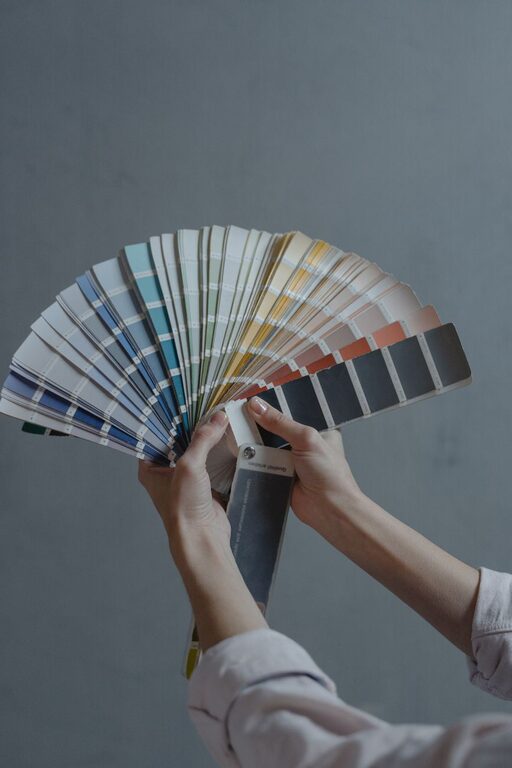
Tips for Choosing Calm Colors for Your Home
Creating a tranquil and inviting atmosphere in your home often begins with the colors you choose for your walls and decor. Calm colors have the power to soothe the mind, reduce stress, and make living spaces feel more comfortable and restful. Whether you are repainting a single room or designing your entire home, selecting the right calm colors can transform your environment. Here are some practical tips to help you choose calm colors that promote relaxation and harmony.
Understanding Calm Colors
Before diving into specific colors, it helps to understand what makes a color “calm.” Generally, calm colors are soft, muted, or pastel shades that are easy on the eyes. They avoid bright, harsh tones and instead tend to create a peaceful vibe. Common calm color families include:
– Blues: Represent tranquility and stability.
– Greens: Remind us of nature and renewal.
– Neutrals: Soft whites, beiges, and grays offer balance.
– Pastels: Light pinks, lavenders, and other pale shades feel gentle and airy.
Tips for Choosing Calm Colors
1. Consider the Mood You Want to Create
Different rooms serve different purposes, so think about how you want each space to feel.
– Bedroom: Choose colors that promote restfulness, like soft blues or pale greens.
– Living room: Opt for warm neutrals or gentle pastels to encourage relaxation and conversation.
– Bathroom: Light blues or aqua shades can evoke freshness and calm.
– Home office: Soft gray or muted green can help maintain focus without feeling too sterile.
2. Test Colors in Natural Light
Colors can look quite different depending on the lighting.
– Paint sample patches on your walls in several spots.
– Observe the colors at different times of day to see how natural sunlight changes their appearance.
– Consider how artificial lighting will affect the color in the evenings.
3. Use a Color Palette for Harmony
Choosing a cohesive palette ensures that colors complement each other throughout your home.
– Pick one primary calm color as a base.
– Add one or two secondary colors in the same tone or shade family.
– Use accent colors sparingly to add subtle interest without overwhelming.
4. Balance Color with Texture and Materials
Calm colors paired with the right textures and materials enhance the soothing effect.
– Soft textiles such as cotton, linen, or velvet add comfort.
– Natural materials like wood, stone, or rattan bring warmth and organic calmness.
– Matte finishes can be less intense than glossy ones, helping colors feel more subdued.
5. Don’t Forget the Ceiling and Trim
Often overlooked, the ceiling and trim color can influence the overall calm feeling.
– Use a shade lighter than the walls to make the room feel airy.
– Soft whites or off-whites work well and keep the look fresh.
Popular Calm Color Choices
Here are some popular calm colors to consider for your home:
Blue Hues
– Soft sky blue: Bright but soothing, perfect for bedrooms.
– Dusty blue: Slightly grayish and very versatile.
– Powder blue: Light and airy, works well in bathrooms.
Green Shades
– Sage green: Muted and earthy, ideal for living rooms.
– Mint green: Fresh and light, great for kitchens.
– Olive green: Deep but calming, pairs nicely with natural wood.
Neutral Tones
– Warm beige: Cozy and inviting, a great backdrop.
– Greige (gray-beige): Modern and subtle.
– Creamy white: Classic and clean, balances other colors.
Pastel Colors
– Lavender: Gentle and charming, suitable for bedrooms.
– Peach: Soft and warm, adds a gentle glow.
– Blush pink: Light and calming, adds sophistication.
Practical Advice for Painting and Decorating
– Start small: If you’re unsure, paint just one accent wall first.
– Use calming art: Choose prints or photos with soft colors and nature themes.
– Incorporate plants: Greenery adds life and enhances calmness.
– Limit bright accents: Bright colors can be distracting, so use them sparingly as pillows or small decor pieces.
Final Thoughts
Choosing calm colors for your home is about creating a sanctuary where you can relax and recharge. By considering lighting, room function, and color harmony, you can pick shades that suit your personal style while fostering peace and comfort. Remember, the goal is to make your living spaces feel welcoming and serene — a place you look forward to coming back to every day. Happy decorating!
